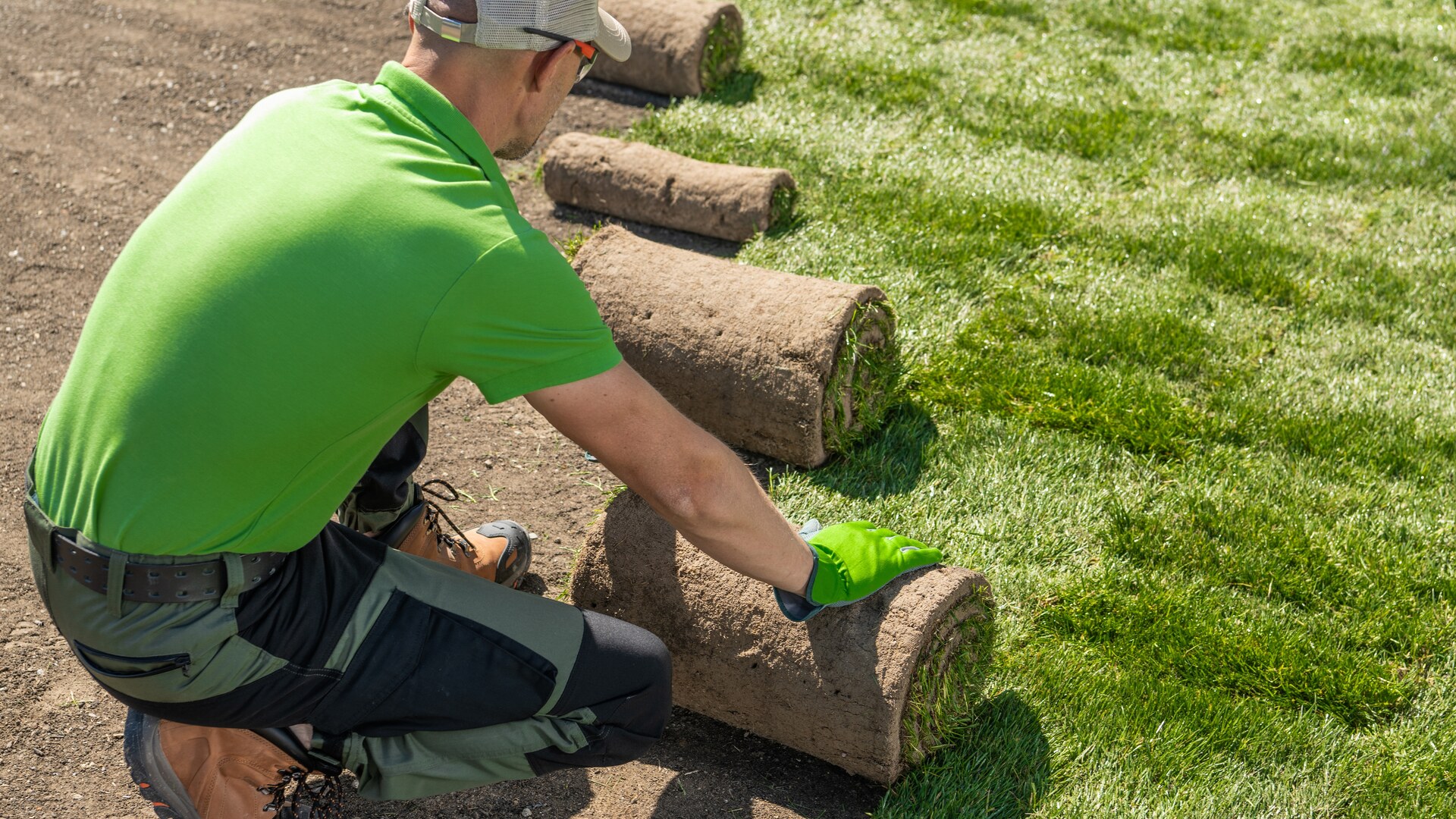
Sod replacement
Removal of damaged turf, soil preparation, and installation of fresh sod to grade. The failure point on sod is never the sod — it's laying it on compacted, unamended subsoil where roots can't penetrate.
Sod replacement →
Topsoil replacement
Supply and placement of screened topsoil where the original was stripped, buried under subsoil spoil, or contaminated during excavation. Placed at a depth that actually supports plant growth — not a thin skin over clay to make the site look finished. We're specific about depth and volume in the scope so the quantity is reviewable rather than assumed.
Garden bed restoration
Bed edges re-established, soil replaced and amended, planting reinstated and mulch applied. Beds take heavy damage during exterior work because they're where material gets stockpiled and where equipment tracks. Restoration includes removing buried construction debris rather than mulching over it.
Shrub & hedge replacement
Like-for-like replacement specified by species and size rather than by "shrub" — the difference between a two-gallon and a five-gallon plant is several years of appearance and a real cost difference on a scope. Hedges are matched to the existing species and staged so new material integrates rather than standing out as an obvious patch. Where a mature hedge is lost we'll say plainly whether matching it is realistic.
Tree replacement
Replacement trees specified by species and calliper to reflect what was actually lost, with planting, staking, mulch ring and establishment guidance.
Tree services →
Planting and mulching
Trees, shrubs, perennials and groundcover installed to horticultural standard — proper soil preparation, planting depth and watering guidance, with selection matched to the site's real conditions: sun, exposure, soil, salt, and how much care the property will realistically get. Mulch is applied to the correct depth and pulled back from stems, because mulch volcanoed against a trunk kills the tree slowly.
Grading and drainage corrections
Re-establishing grade after excavation, settlement or damage, with positive slope away from structures — plus swales, catch basins, French drains, downspout extensions and outlet connections. Grading is the difference between a dry basement and a claim, and drainage is often the root cause behind the damage we were called to repair.
Grading & drainage corrections →
Restoration following construction
Full restoration after excavation, foundation work, service installation, waterproofing and additions — including relieving compaction, removing buried debris, re-establishing grade, and reinstating lawn and beds.
Post-construction restoration →
Landscape damaged during emergency work
When a crane comes into a backyard at 2 a.m., the lawn loses. Ruts, compaction, crushed beds, broken edging and torn irrigation are the predictable cost of emergency access, and they belong on the claim. We document the pre-existing condition before equipment moves and restore afterward — same company, same file.
Insurance & emergency restoration →